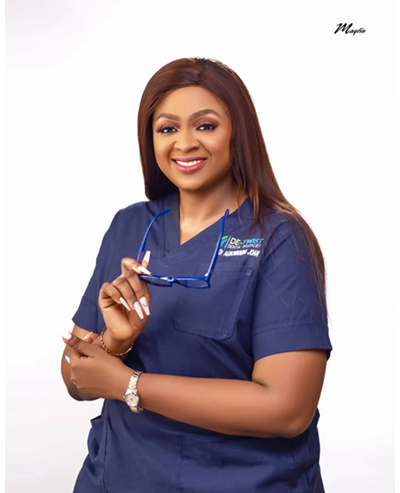
Your Comfortable Pathway to Bright and Healthy Smiles
If you are in need of high-quality, professional and friendly dental care, look no further than our clinic.


Trusted by 150K+ people
around the globe
around the globe
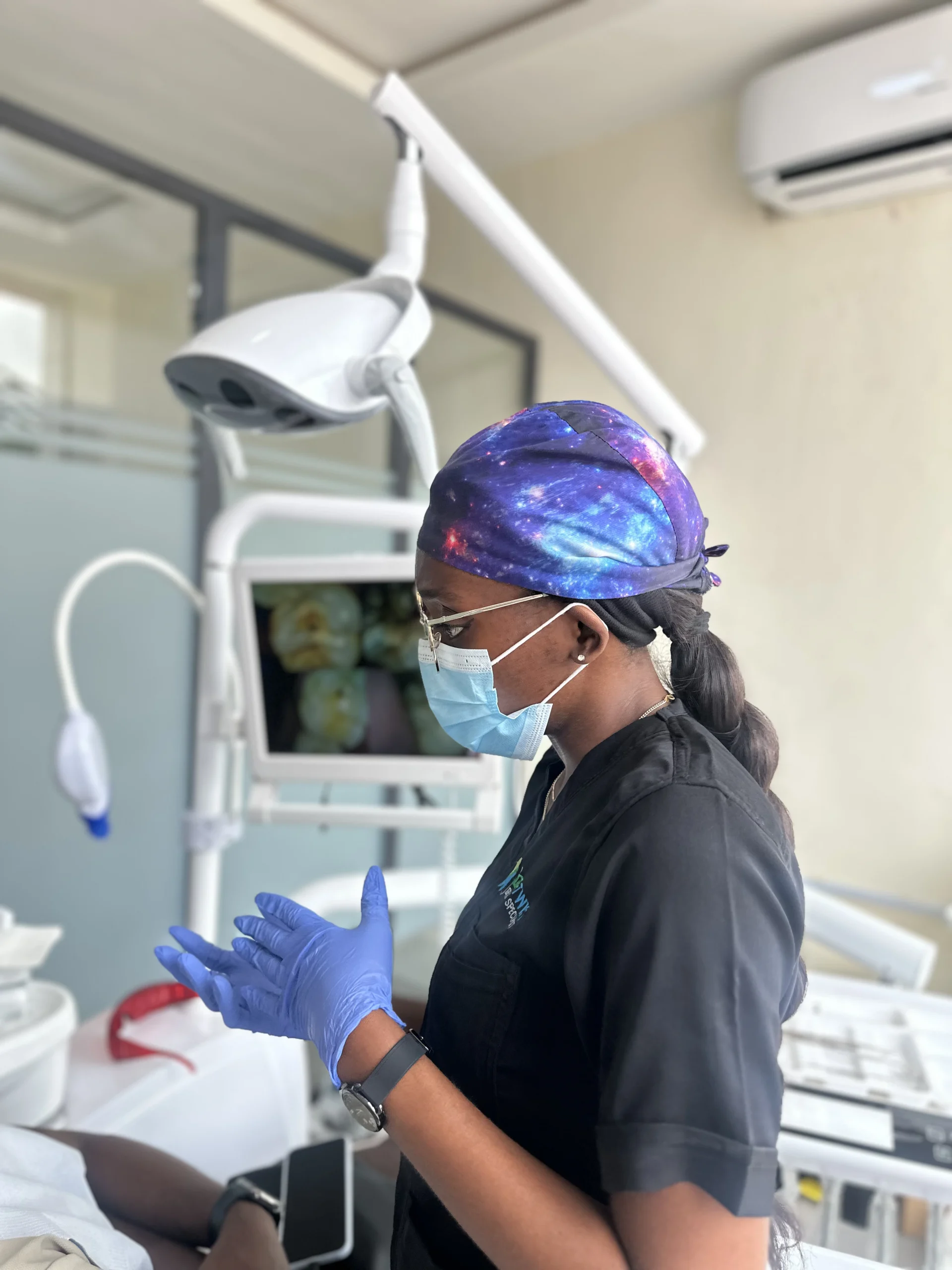






Our awesome team
United by gentle care and clinical excellence, our team works together to give your smile the attention it deserves.
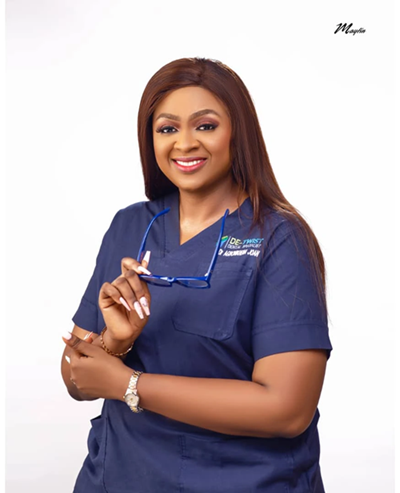
Dr. Joan

Dr. Joyce
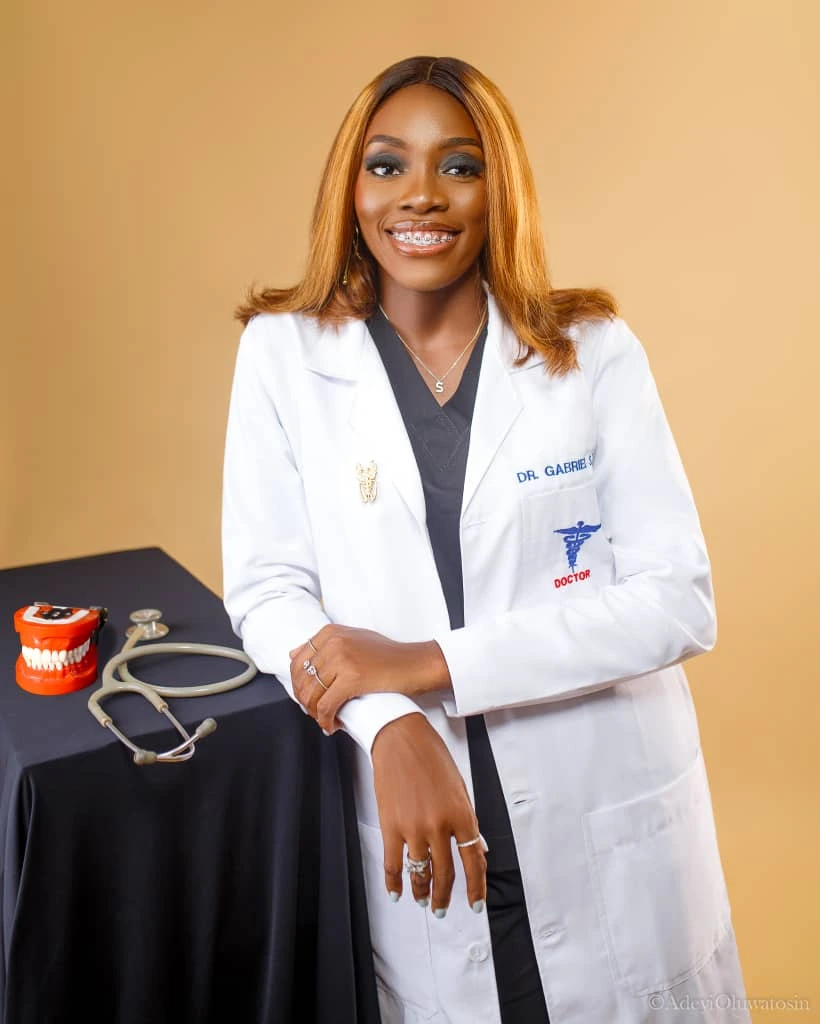
Dr. Gabriel S.E

Dr. Boluwatife
Tailored Treatments for Your Individual Smile
Every smile is unique, which is why we offer a comprehensive range of professional dental services designed to meet your specific clinical needs.
1
Preventive Care & Dental Cleaning
Protect your teeth and gums with professional dental cleaning and thorough diagnostic assessments that catch issues early.
2
Cosmetic Dentistry
Brighten and enhance your natural smile safely with professional teeth whitening and aesthetic treatments.
3
Restorative & Root Canal Treatment
Relieve discomfort and restore compromised teeth with precise, gentle root canal therapy and durable fillings.
4
Family & Children’s Dentistry
Introduce your little ones to positive dental habits early in a friendly, stress-free environment
5
Orthodontics & Braces
Align your bite and straighten your smile with modern orthodontic solutions tailored for teens and adults
What People Say About Us
Read what our patients have shared about their experiences with De-Twist Dental Specialist. We are committed to providing professional, welcoming and patient-focused dental care at every visit.


Have not done a teeth whitening before and I want to give a try
September 16, 2026
Review of Home
I don’t have a review yet till I get mine done

Good service
August 31, 2026
Review of Home
Had my scaling and polishing done recently, the staff were really warm and provided good recommendations

Excellent Service
August 31, 2026
Review of Home
Professional, friendly, and excellent dental service. I was very satisfied with my experience and highly recommend De-Twist Dental Specialists.


Ololade John
Third time here, absolutely love the care Dr Gabriel gave to my dental health. Cheers to the team here.
A Dental Clinic You Can Trust
At De-Twist Dental Specialist, we provide professional, personalized dental care in a friendly and welcoming environment. Our team takes the time to understand your needs and help you make informed decisions about your oral health.
We Can Help You Have a
Natural Smile
From routine check-ups and professional cleaning to orthodontics, cosmetic dentistry and restorative treatments, De-Twist Dental Specialist provides personalized dental care for individuals and families in Magodo, Lagos.
Professional Dental Care, Personalized for You
Our dental team is committed to providing professional, compassionate care tailored to your individual needs. From routine dental check-ups and cleaning to orthodontics, cosmetic dentistry, restorative treatments and other specialized dental services, we take a patient-focused approach to helping you maintain a healthy smile and better oral health.
0
Reviews
0
Years Experience